
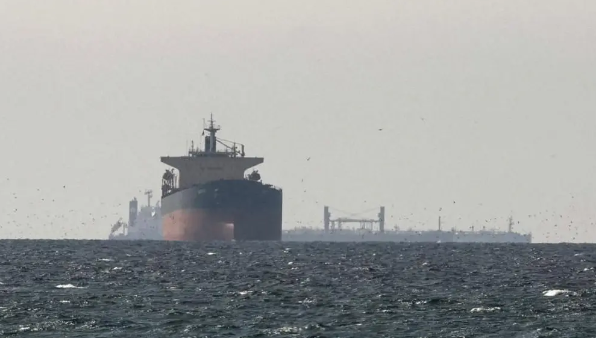
WASHINGTON — The U.S. Central Command (CENTCOM) says Iran’s capacity to threaten commercial shipping in the strategically vital Strait of Hormuz has been significantly weakened following a series of coordinated U.S. strikes targeting key military infrastructure.
According to a statement shared on social media and reported by Al Jazeera, CENTCOM assessed that Tehran’s ability to strike vessels transiting the narrow waterway has been “degraded,” marking a notable development in the ongoing conflict between the United States and Iran.
CENTCOM commander Brad Cooper confirmed that recent operations included precision strikes on an underground weapons facility along Iran’s coastline. The facility, believed to house missile systems and related equipment, was targeted as part of a broader effort to dismantle Iran’s anti-ship capabilities and secure maritime routes critical to global energy supplies.
Military officials indicate that the strikes form part of a wider campaign aimed at neutralizing Iran’s ability to disrupt international shipping. The Strait of Hormuz, through which roughly a fifth of the world’s oil supply passes, has long been a focal point of tensions, with Iran previously threatening to mine or block the corridor.
Recent operations have included sustained air and naval assaults on Iranian assets, including missile launch sites, radar systems, and naval vessels. U.S. officials argue that these actions have reduced Iran’s operational reach, particularly in maritime domains, where its forces have historically relied on asymmetric tactics such as fast attack craft and sea mines.
Despite these claims, the broader conflict remains volatile. Iran has continued to demonstrate retaliatory capabilities, including missile launches and threats to regional infrastructure, underscoring that while its capabilities may be diminished, they have not been eliminated.
The latest developments highlight the strategic importance of the Strait of Hormuz and the risks associated with its disruption, as global markets and regional security remain closely tied to stability in the waterway.